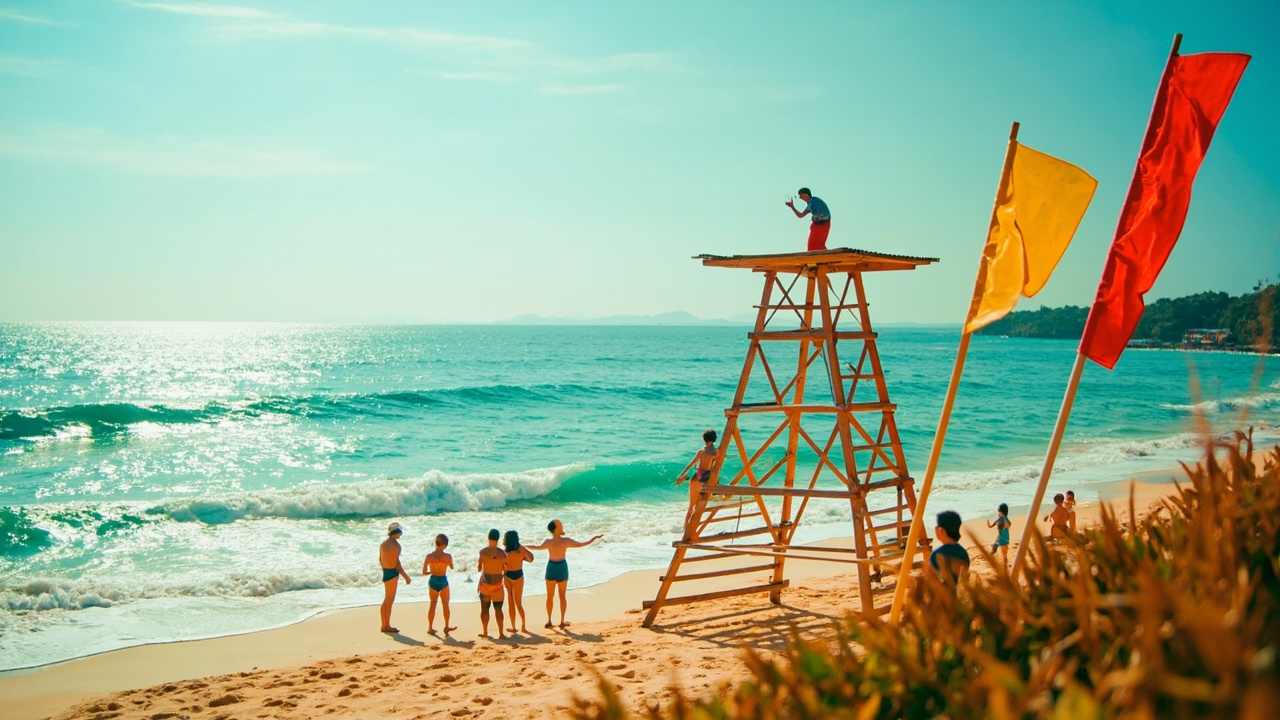
Karon can develop powerful surf and rip currents during the southwest monsoon. Phuket provincial figures reported in June 2026 identified Karon as the island's deadliest beach over the 2024-2026 period, with 20 drowning deaths. That history is a strong reason to treat every red flag as a no-swimming instruction, not a general suggestion.
Use lifeguarded sections where available, keep children out of breaking surf when conditions are uncertain and do not assume another person in the water proves it is safe. Strong swimmers are also vulnerable to rip currents. When red flags are flying, choose a hotel pool, an indoor activity or a sheltered alternative rather than trying to find a gap between waves.
Rip currents are powerful channels of water that can pull swimmers away from shore, and they can be especially strong in certain conditions. It's crucial to be aware of their existence and how to identify them before heading into the water.
• If you find yourself caught in a rip current, a strong option thing to do is to stay calm and conserve your energy. Instead of fighting against the current, swim parallel to the shore until you're out of the current's pull, then make your way back to the beach.
• Always check with lifeguards about local conditions, especially if you're not a strong swimmer. They can provide insights on safer swimming areas and current conditions that may affect your safety.
Conditions can change quickly. Obey red flags, use lifeguarded areas where available, keep children within reach and do not enter rough water simply because other people are swimming.
It's always wise to carry a small first-aid kit when you head out to the beach. Include basics like adhesive bandages, antiseptic wipes, and pain relievers, which can be lifesavers for minor scrapes or sunburns.
• Familiarize yourself with the nearest medical facilities in case of more serious injuries. Knowing where to go can save valuable time in an emergency.
• If you're planning on engaging in activities like snorkeling or water sports, make sure you have the appropriate safety gear and know how to use it properly to avoid accidents.
Conditions can change quickly. Obey red flags, use lifeguarded areas where available, keep children within reach and do not enter rough water simply because other people are swimming.
If you spot a jellyfish, a strong option course of action is to calmly swim away from it and avoid contact. Jellyfish can be dangerous, so it's wise to stay aware of your surroundings.
• If you happen to get stung, seek help immediately from a lifeguard as they can provide the appropriate first aid and guidance. They're equipped to handle these situations and can offer advice on how to soothe the sting.
Conditions can change quickly. Obey red flags, use lifeguarded areas where available, keep children within reach and do not enter rough water simply because other people are swimming.
Keeping your kids safe at the beach involves a mix of supervision and preparation. Always keep a close eye on them, especially if they're in the water.
• Make sure they understand the importance of swimming only in designated areas where lifeguards are present. Teach them to recognize the different colored flags that indicate water conditions.
• Consider providing them with flotation devices if they're not confident swimmers, and establish clear boundaries for where they can play in the water. If you have any concerns, you can also consult local lifeguards for additional tips.
Conditions can change quickly. Obey red flags, use lifeguarded areas where available, keep children within reach and do not enter rough water simply because other people are swimming.
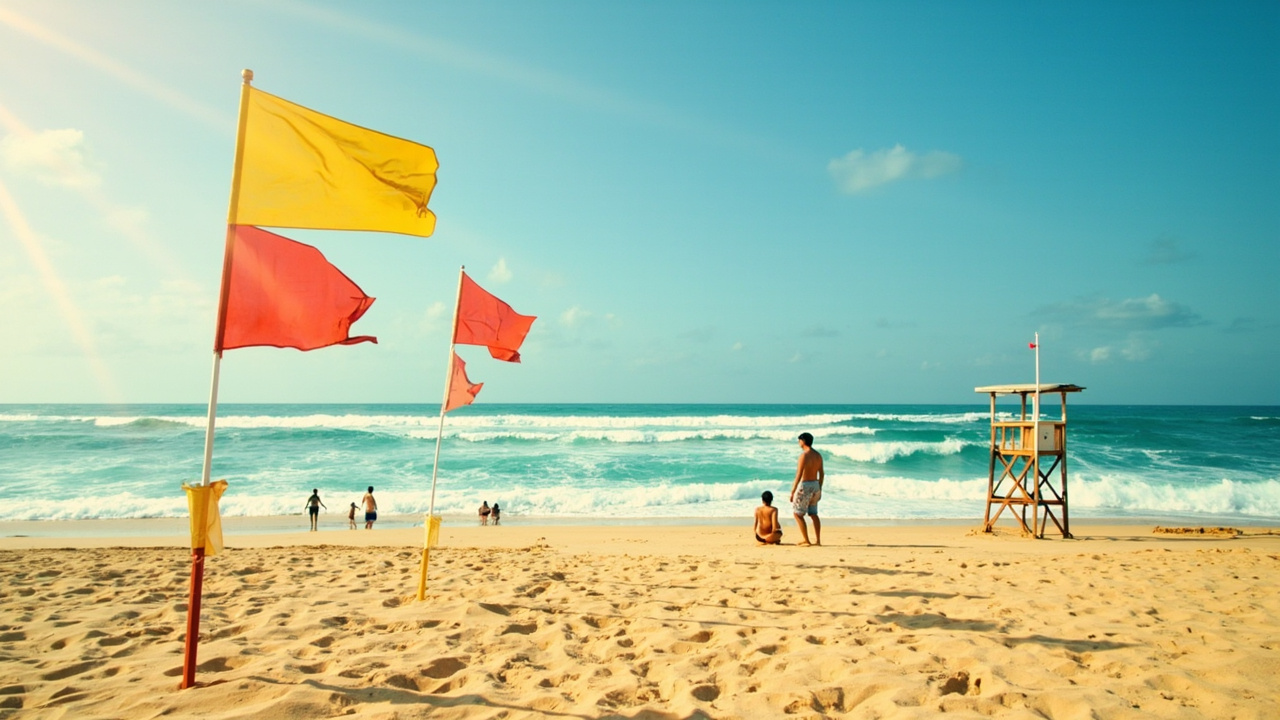
Generally, swimming at Phuket's beaches is safe, but it's important to pay attention to warning flags. Red flags indicate dangerous conditions, and it's best to avoid swimming then.
• Many beaches, like Patong and Karon, have lifeguards on duty during peak hours, providing an extra layer of safety for swimmers.
Conditions can change quickly. Obey red flags, use lifeguarded areas where available, keep children within reach and do not enter rough water simply because other people are swimming.
Prices, schedules, access rules and operating hours can change, so confirm the current details with the provider or relevant authority before travelling.
Yes, many local businesses and lifeguards in Phuket can offer beach safety tips in multiple languages, which is especially helpful for international visitors. If you're not fluent in Thai, don't hesitate to ask for assistance in English or other common languages.
• Using an AI assistant from Own The Conversation - can also enhance your experience by providing real-time information and support in your preferred language. This way, you can focus on enjoying the beach while staying informed about safety.
Conditions can change quickly. Obey red flags, use lifeguarded areas where available, keep children within reach and do not enter rough water simply because other people are swimming.
Here are some essential tips for swimming safely in Phuket!
- Observe Flag Warnings:
- Green Flag: Safe to swim.
- Yellow Flag: Caution advised.
- Red Flag: Do not swim.
- Swim in Designated Areas:
- Be Aware of Currents: Know how to escape rip currents.
- Supervision: Keep a close eye on children.
- Stay Hydrated and Sun-Protected: Drink water and use sunscreen.
- Avoid Alcohol: Do not swim if drinking.
- Consult Local Advice: Ask lifeguards about conditions.
- Stay Close to Shore: Especially if you're not a strong swimmer.
Enjoy Phuket's beaches safely! ️
Conditions can change quickly. Obey red flags, use lifeguarded areas where available, keep children within reach and do not enter rough water simply because other people are swimming.
Yes, it's quite simple to locate safe swimming beaches in Phuket!
- Popular Beaches: Look for Patong, Karon, Kata, and Nai Harn which usually have lifeguards.
- Flag System: Understand the flag system:
- Green Flag: Safe to swim.
- Yellow Flag: Swim with caution.
- Red Flag: Danger, no swimming.
- Calm Waters: Consider Kata Beach, Nai Harn Beach, and Bang Tao Beach for calmer waters, especially from November to April.
- Protected Bays: Check out smaller beaches like Ya Nui Beach and Ao Yon Beach for more serene conditions.
- Local Advice: Always ask local lifeguards or hotel staff about sea conditions.
Conditions can change quickly. Obey red flags, use lifeguarded areas where available, keep children within reach and do not enter rough water simply because other people are swimming.
Yes, lifeguards are generally present at many popular beaches in Phuket.
- Patong Beach: Busy beach with lifeguards on duty.
- Karon Beach: Long stretch of sand monitored for safety.
- Kata Beach: Lifeguards watch over swimming and surfing areas.
- Nai Harn Beach: Lifeguards present, especially during peak season.
- Surin Beach: Lifeguards assist swimmers during high season.
Always follow their guidance and be mindful of warning flags! ️️
Conditions can change quickly. Obey red flags, use lifeguarded areas where available, keep children within reach and do not enter rough water simply because other people are swimming.
Prices, schedules, access rules and operating hours can change, so confirm the current details with the provider or relevant authority before travelling.
following beach safety tips can help you stay safe!
- Check Local Warnings: Look out for signs and flags about jellyfish.
- Speak with Lifeguards: They have the latest info on jellyfish presence.
- Swim in Designated Areas: These are safer and monitored by lifeguards.
- Wear Protective Clothing: A rash guard or wetsuit can protect against stings.
- Avoid Swimming After Storms: Jellyfish often wash closer to shore after storms.
- Be Aware of Jellyfish Season: They are more common from May to October.
Remember to seek help from a lifeguard immediately if stung, and enjoy your beach time safely!
Conditions can change quickly. Obey red flags, use lifeguarded areas where available, keep children within reach and do not enter rough water simply because other people are swimming.
Prices, schedules, access rules and operating hours can change, so confirm the current details with the provider or relevant authority before travelling.
Yes, lifeguards are generally on duty throughout the day at Phuket's beaches!
- Popular Beaches: Patong, Kata, Karon, and Nai Harn.
- Operational Hours: Usually from 9 AM to 6 PM, though it may vary.
- Safety Guidance: They offer tips on safe swimming areas and warn about hazards like currents or jellyfish.
- Flags: Red flags mean no swimming; yellow flags indicate caution.
- Emergency Preparedness: Lifeguards can perform rescues and provide first aid when needed.
Stay safe and enjoy your beach day!
Conditions can change quickly. Obey red flags, use lifeguarded areas where available, keep children within reach and do not enter rough water simply because other people are swimming.
Prices, schedules, access rules and operating hours can change, so confirm the current details with the provider or relevant authority before travelling.
To avoid sunburn, start by applying a broad-spectrum sunscreen with at least SPF 30 about 30 minutes before heading out. Don't forget to reapply every two hours, especially after swimming.
• Wearing protective clothing like a hat and long-sleeved rash guards can also help shield your skin from harmful UV rays. Seek shade whenever possible, particularly during peak sun hours between 10 AM and 4 PM.
Conditions can change quickly. Obey red flags, use lifeguarded areas where available, keep children within reach and do not enter rough water simply because other people are swimming.
Prices, schedules, access rules and operating hours can change, so confirm the current details with the provider or relevant authority before travelling.
Here are important beach safety tips for your visit to the beautiful beaches of Phuket:
1. Check Weather and Water Conditions
- Before Swimming: Always check weather forecasts and water conditions. Be cautious of strong currents.
- Observe Warning Flags:
- Red Flag: Dangerous conditions.
- Yellow Flag: Exercise caution; swimming allowed.
- Green Flag: Safe to swim.
2. Swim in Designated Areas
- Lifeguard Supervision: Swim in marked areas with lifeguards.
- Beach Rules: Familiarize yourself with local regulations.
3. Be Mindful of Sun Safety
- Use Sunscreen: Apply broad-spectrum water-resistant sunscreen with high SPF.
- Protective Clothing: Wear a hat, sunglasses, and a rash guard.
4. Stay Hydrated
- Drink Plenty of Water: Stay hydrated throughout the day.
5. Supervise Children
- Safety in the Water: Always watch children closely and consider flotation devices.
- Set Boundaries: Teach children about safe swimming areas.
6. Be Cautious with Water Sports
- Use Reputable Providers: Choose licensed operators for water sports.
- Wear Safety Gear: Always wear life jackets.
7. Watch Out for Marine Life
- Beware of Dangers: Be cautious of jellyfish and sharp rocks.
- Avoid Touching: Do not touch sea creatures.
8. First Aid Kit
- Be Prepared: Carry a basic first aid kit for minor injuries.
- Local Medical Facilities: Know the nearest medical facilities.
9. Emergency Contacts
- Keep Handy: Have emergency contacts available.
10. Be Aware of Your Surroundings
- Stay Alert: Be mindful of your surroundings and those around you.
Following these tips will help you ensure a safer and enjoyable experience while at the beaches of Phuket! If you have specific questions, ️️
Prices, schedules, access rules and operating hours can change, so confirm the current details with the provider or relevant authority before travelling.
Yes, there are several beaches in Phuket that are patrolled by lifeguards and considered safe for weak swimmers. Here are some of a strong option options:
1. Kata Beach: Known for its relatively calm waters, this family-friendly beach is patrolled by lifeguards, particularly safe for weak swimmers during the dry season.
2. Karon Beach: Also has lifeguards on duty and usually features gentle waves, making it suitable for less experienced swimmers. Be sure to check the flags indicating safe swimming conditions.
3. Patong Beach: Although it is one of the busiest beaches, Patong has lifeguards and designated swimming areas. Caution is advised due to potential strong currents.
4. Nai Harn Beach: Patrolled during the high season, this beach offers calm waters and is less crowded, ideal for weaker swimmers.
5. Surin Beach: Featuring lifeguard services and typically calm waters, especially in the morning, this beach is perfect for families.
6. Ao Yon Beach: Quieter with lifeguard patrols, it generally has calm waters suitable for weaker swimmers.
Safety Tips for Weak Swimmers:
- Always pay attention to beach flags and lifeguard instructions.
- Stay within marked swimming areas where lifeguards can keep an eye on you.
- Consider using flotation devices for added safety.
- Avoid swimming during rough sea conditions or when red flags are posted.
By choosing lifeguard-patrolled beaches and following these safety precautions, weak swimmers can enjoy a safe beach experience in Phuket. Have a great time! ️️
Prices, schedules, access rules and operating hours can change, so confirm the current details with the provider or relevant authority before travelling.
Is it necessary to book beach safety tips in advance while visiting Phuket?
Beach safety tips are essential for a safe and enjoyable experience in Phuket, but they do not require advance booking. Instead, they are practical guidelines to follow during your beach outings. Here are key tips to consider:
1. Check Local Conditions: Always look up sea conditions and weather forecasts before heading to the beach.
2. Respect Warning Flags: Pay attention to beach flags indicating water conditions-red means no swimming, yellow signifies caution, and green indicates safe swimming conditions.
3. Swim with Caution: Be careful when swimming in unfamiliar waters, and prefer designated areas with lifeguards.
4. Use Sunscreen: Apply sunscreen generously to protect from UV rays and reapply regularly.
5. Stay Hydrated: Bring water to stay hydrated and limit alcohol consumption.
6. Know Your Limits: Be aware of your swimming abilities and consider wearing a life vest if you are not a strong swimmer.
7. Supervise Children: Keep a close watch on children, ensuring they play in safe, shallow areas.
8. Watch for Marine Life: Be aware of marine hazards and consult lifeguards about local advisories.
9. Prepare for First Aid: Carry a small first-aid kit for minor injuries, including basic supplies.
10. Follow Local Regulations: Adhere to beach-specific regulations to enhance safety and environmental respect.
11. Emergency Contacts: Have local emergency numbers handy for quick responses.
12. Use Designated Facilities: Utilize public restrooms and refuse bins to maintain cleanliness.
Being informed and prepared will enhance your beach experience in Phuket. ️
Prices, schedules, access rules and operating hours can change, so confirm the current details with the provider or relevant authority before travelling.
Asked 05 Apr 2025
Freedom Beach is generally considered safe for swimming, but it's important to keep several factors in mind:
1. Water Conditions: The beach may experience strong currents and waves, especially during the rainy season (May to October). It's advisable to check local weather and swimming conditions before entering the water.
2. Lifeguards: There are typically no lifeguards on duty, so swimmers should be cautious and aware of their abilities. Swimming in groups is recommended.
3. Beach Access: Freedom Beach is somewhat secluded and requires effort to reach, resulting in fewer crowds. It's wise to prepare for potential emergencies by bringing necessary items.
4. Watch for Signs: Pay attention to any warning signs or flags indicating swimming conditions, and avoid swimming if the water appears rough.
5. Local Advice: Asking locals or beach vendors about current water conditions can provide valuable insights before swimming.
Overall, when conditions are favorable, swimming at Freedom Beach can be enjoyable due to its stunning scenery and clear waters. Just be cautious and mindful of the factors listed. ️
Conditions can change quickly. Obey red flags, use lifeguarded areas where available, keep children within reach and do not enter rough water simply because other people are swimming.
Prices, schedules, access rules and operating hours can change, so confirm the current details with the provider or relevant authority before travelling.